When someone comes to me with joint pain, the first thing they usually say is, “I’ve been resting it, but it’s still not getting better.” I hear this every week. Rest feels safe, logical, and comforting. It seems like the natural answer when something hurts. But when it comes to most types of joint pain, rest is rarely the long-term solution. In fact, too much of it can make the problem worse.
I understand why people default to rest. Pain is scary. Your body gives you a signal, and your instinct is to stop everything and avoid movement. The problem is that joints don’t heal the way we often imagine. They need circulation, controlled motion, muscle engagement, and gentle loading to recover. When you rest indefinitely, the joints stiffen, the muscles around them weaken, and your confidence in movement starts slipping away. That combination leads to more pain, not less.
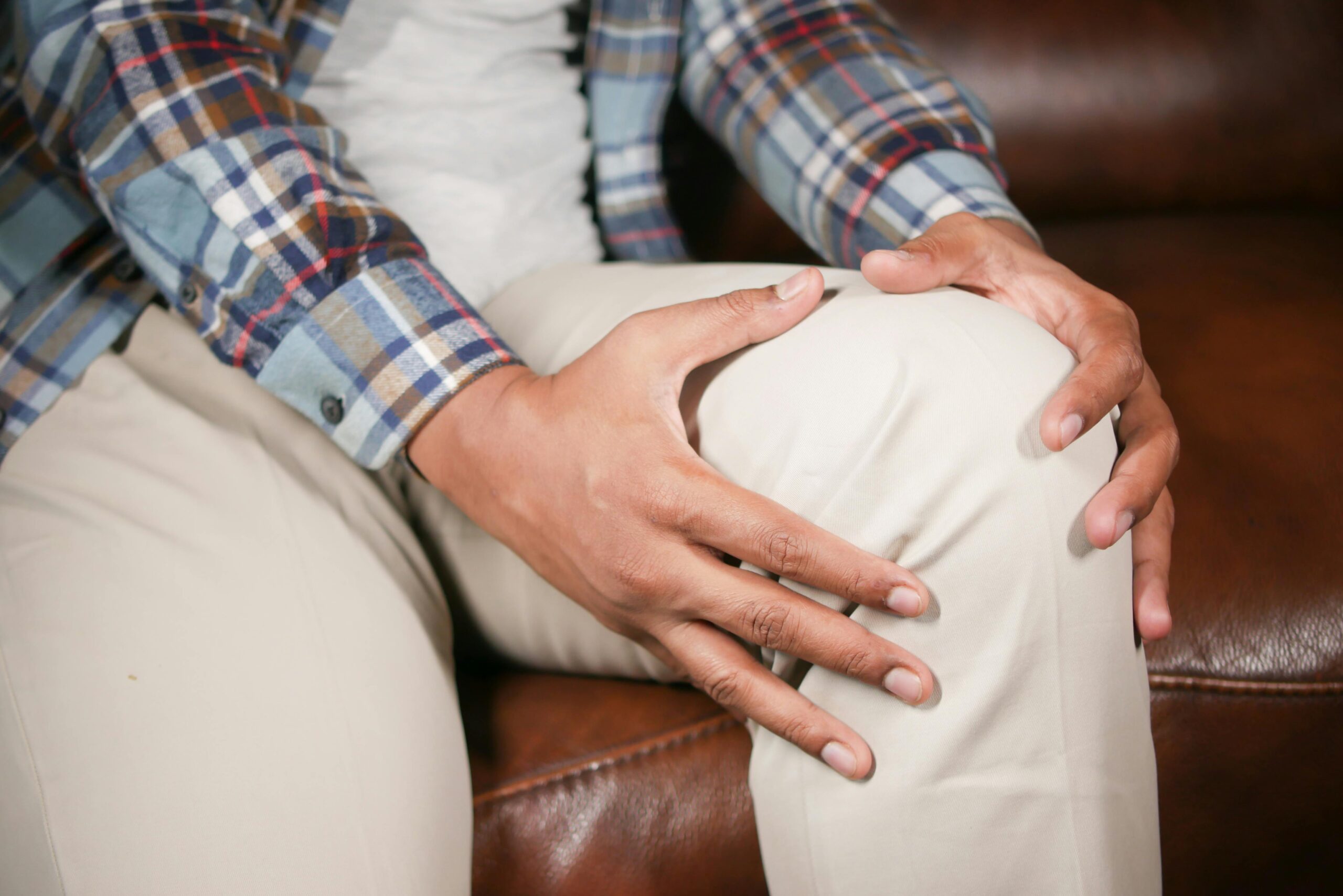
I see this often with knee pain. Someone feels that first sharp ache when going down the stairs, and they immediately start avoiding bending, squatting, or weight-bearing. A week or two later, they come to me saying the pain has spread, the knee feels unstable, or they’ve developed pain in the hip or lower back. The original problem didn’t magically grow. The body simply adapted to the lack of movement, and not in a helpful way.
Movement, when it’s guided and appropriate, is the real medicine. When I work with patients, I focus on restoring mobility first—getting the joint to move comfortably again. Then we rebuild strength in the muscles that support it. Stronger muscles mean less stress on the joint. Better range of motion means less stiffness. The more confident you feel moving, the better your body responds.
Another issue with total rest is the way it affects circulation. Joints don’t have big blood supplies like muscles do. They rely on movement—natural compression and release—to bring nutrients in and clear inflammation out. Without movement, swelling lingers and healing slows down. Something as simple as gentle walking or controlled exercises can make a noticeable difference.
Of course, there are moments when rest is necessary. Acute injuries, fractures, or severe swelling require caution and sometimes complete off-loading. But that’s a specific phase of healing, not the entire journey. Most people stay in the “rest” phase far longer than their body actually needs.
I remember one patient who struggled with shoulder pain for months because she stopped lifting her arm after it hurt. By the time she came to me, she wasn’t injured anymore—she was frozen. We had to teach the shoulder how to move again. The good news is that the body learns quickly once you give it the chance.
If you’re dealing with joint pain, the key is smart movement—not pushing through sharp pain, not forcing things, but allowing the joint to function the way it was designed to. You don’t have to figure it out alone. That’s where physiotherapy comes in: personalized guidance, controlled progression, and the reassurance that you are moving safely.
Your joints are built for motion, not long-term rest. When you start moving wisely, you’re not just treating pain—you’re building resilience, strength, and trust in your body again.